
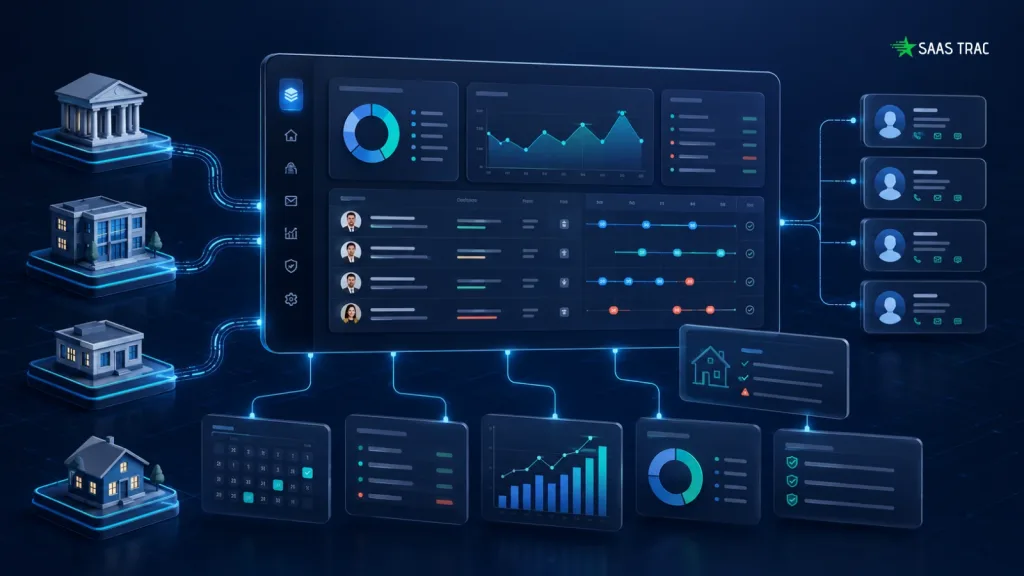
Managing a loan portfolio after funding is where operational breakdowns happen most often. Payment schedules fall out of sync, delinquency reporting lags behind real-time activity, and borrower communication breaks down when servicers rely on spreadsheets or legacy systems that were never built for active portfolio management.
Loan servicing software addresses this by centralizing the post-funding workflow. It tracks payments, produces accurate amortization schedules, flags delinquencies, handles escrow, and keeps borrowers informed from the first payment through final payoff.
The challenge for financial institutions is that the market spans everything from mortgage-specific platforms built for large banks to flexible cloud-based tools designed for private lenders and community programs. This guide covers six of the most relevant options, comparing their feature coverage, loan type support, and operational fit.
1. Bryt Software:
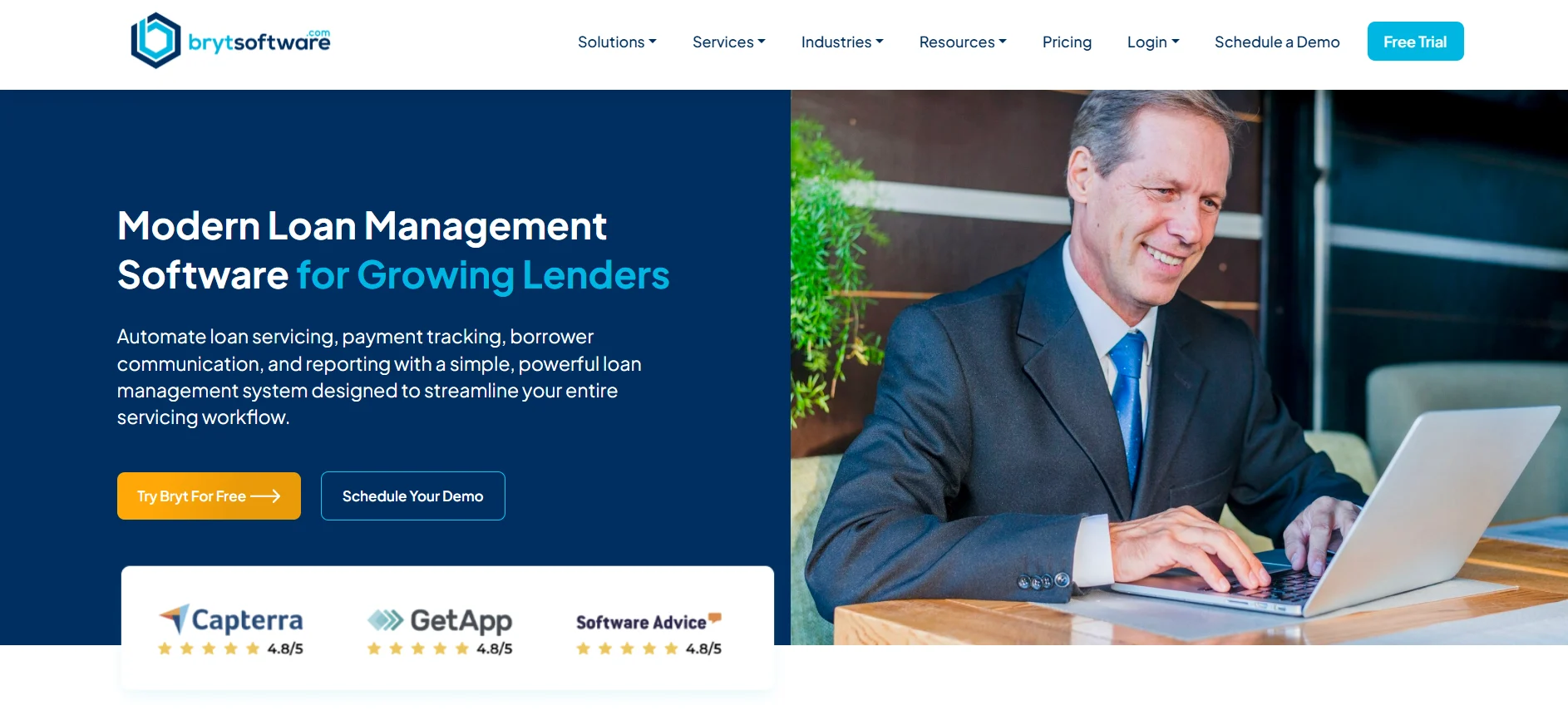
Bryt Software is a cloud-based loan servicing and management platform built for post-origination operations. Founded in 2017 by Bob Schulte, Bryt serves private lenders, hard money lenders, municipal programs, microfinance cooperatives, and commercial lenders that need a configurable servicing platform without enterprise banking complexity.
The platform runs on Microsoft Azure, which provides 99.95% uptime, enterprise-grade security through the Azure Security Center, and scalable infrastructure. Bryt uses modular pricing, so institutions pay for what they use rather than a one-size-fits-all package.
1. Best For: Private lenders, hard money lenders, community financial institutions, and municipal lending programs that service multiple loan types and need a purpose-built post-origination platform with practical support and modular pricing.
2. What to Note: Bryt is a post-origination platform. It does not cover loan origination. Institutions that need origination capabilities pair a separate LOS with the Bryt lending servicing solution to cover the full loan lifecycle. ACH collections through the platform require manual servicer initiation; they do not draw from borrower accounts automatically.
2. nCino:
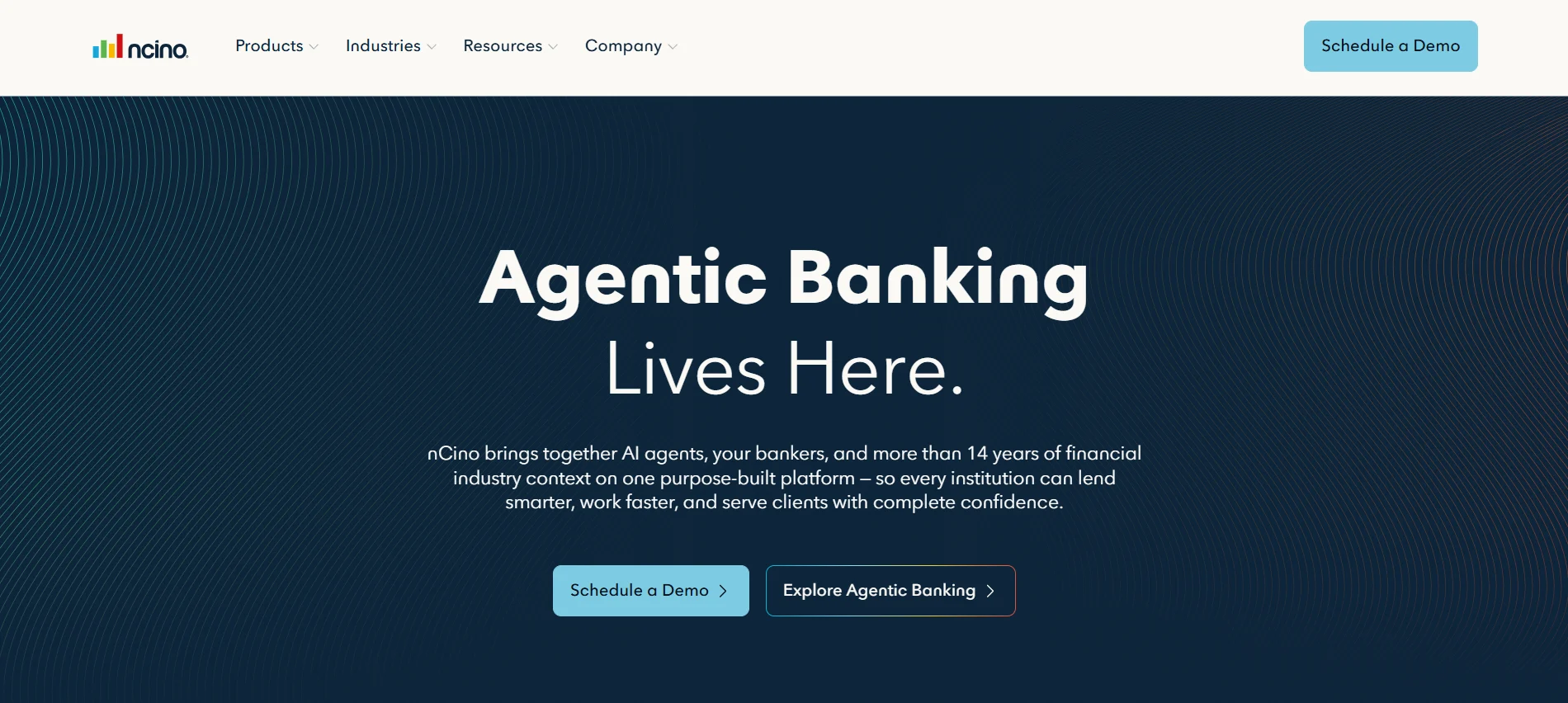
nCino is a cloud-based bank operating platform built for commercial and retail banking institutions. It runs on the Salesforce platform and focuses on origination, credit workflow management, and relationship banking operations. Community banks, regional banks, and credit unions commonly deploy nCino when they need a Salesforce-native solution for lending and relationship management.
1. Best For: Regional and community banks seeking a comprehensive origination and CRM platform in a Salesforce-native environment.
2. What to Note: nCino’s primary strength is origination and credit workflow. Granular post-origination servicing, including individual payment management, borrower notices, and delinquency tracking at the loan level, requires additional tooling alongside nCino.
3. Encompass by ICE Mortgage Technology:
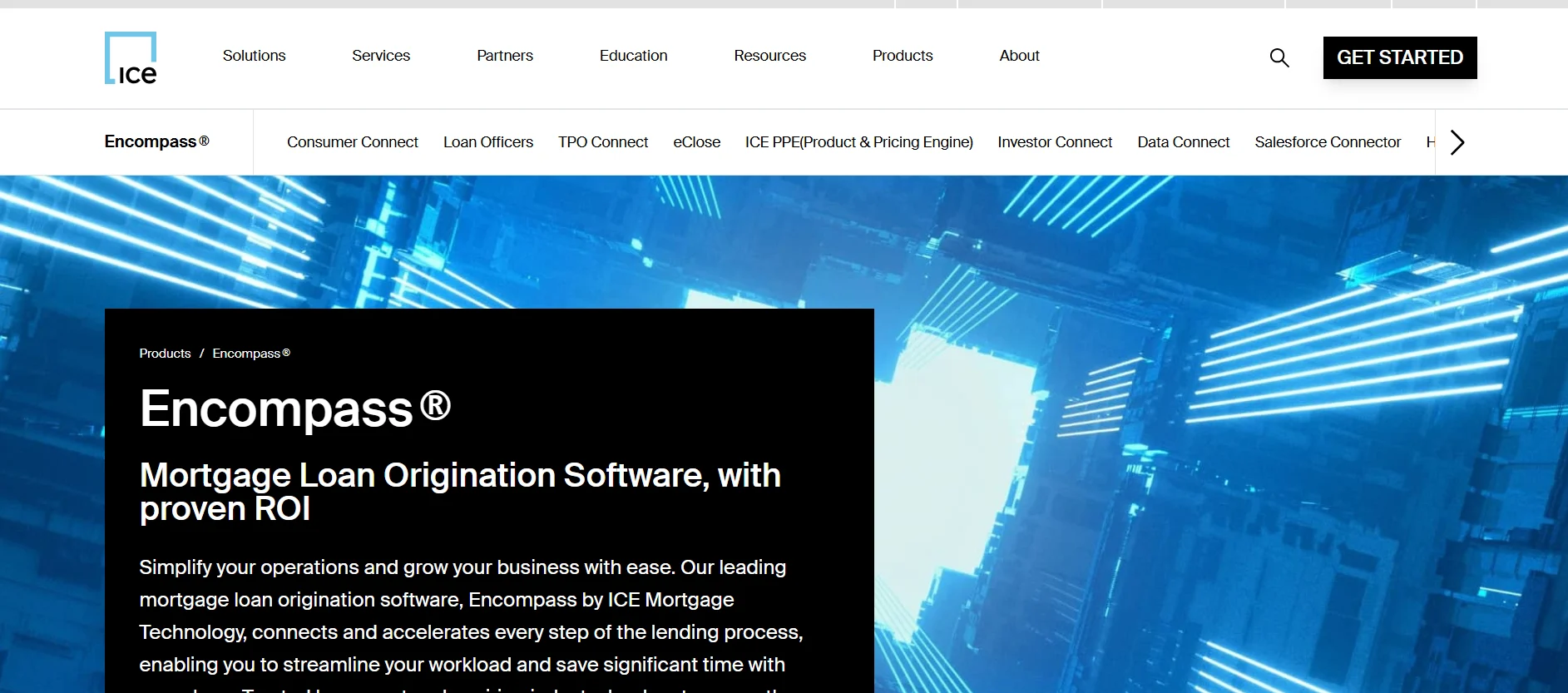
Encompass is a loan origination system (LOS) built specifically for residential mortgage lending. ICE Mortgage Technology, which operates the platform, serves mortgage banks, credit unions, and independent mortgage brokers that require compliant, end-to-end mortgage origination workflows tied to federal regulatory requirements.
1. Best For: Mortgage lenders, brokers, and banks whose portfolio consists exclusively of residential mortgage products and who need a compliant, established LOS with deep industry integrations.
2. What to Note: Encompass is an origination system for mortgage, not a post-origination servicing tool. It does not cover payment management, delinquency tracking, or escrow administration for active loan portfolios outside the closing process.
4. Abrigo:

Abrigo, formerly known as Sageworks, develops risk management, credit analysis, and lending software for community banks and credit unions. Its lending suite covers origination, loan review, CECL/ALLL provisioning, and portfolio analytics for regulated financial institutions operating under banking supervisory requirements.
1. Best For: Community banks and credit unions that prioritize regulatory credit risk modelling, origination compliance, and CECL provisioning under banking supervision.
2. What to Note: Abrigo serves credit risk and origination use cases. It is not designed as a standalone loan servicing platform for granular payment management, borrower communication workflows, or escrow administration on active loan portfolios.
5. FICS (Financial Industry Computer Systems):
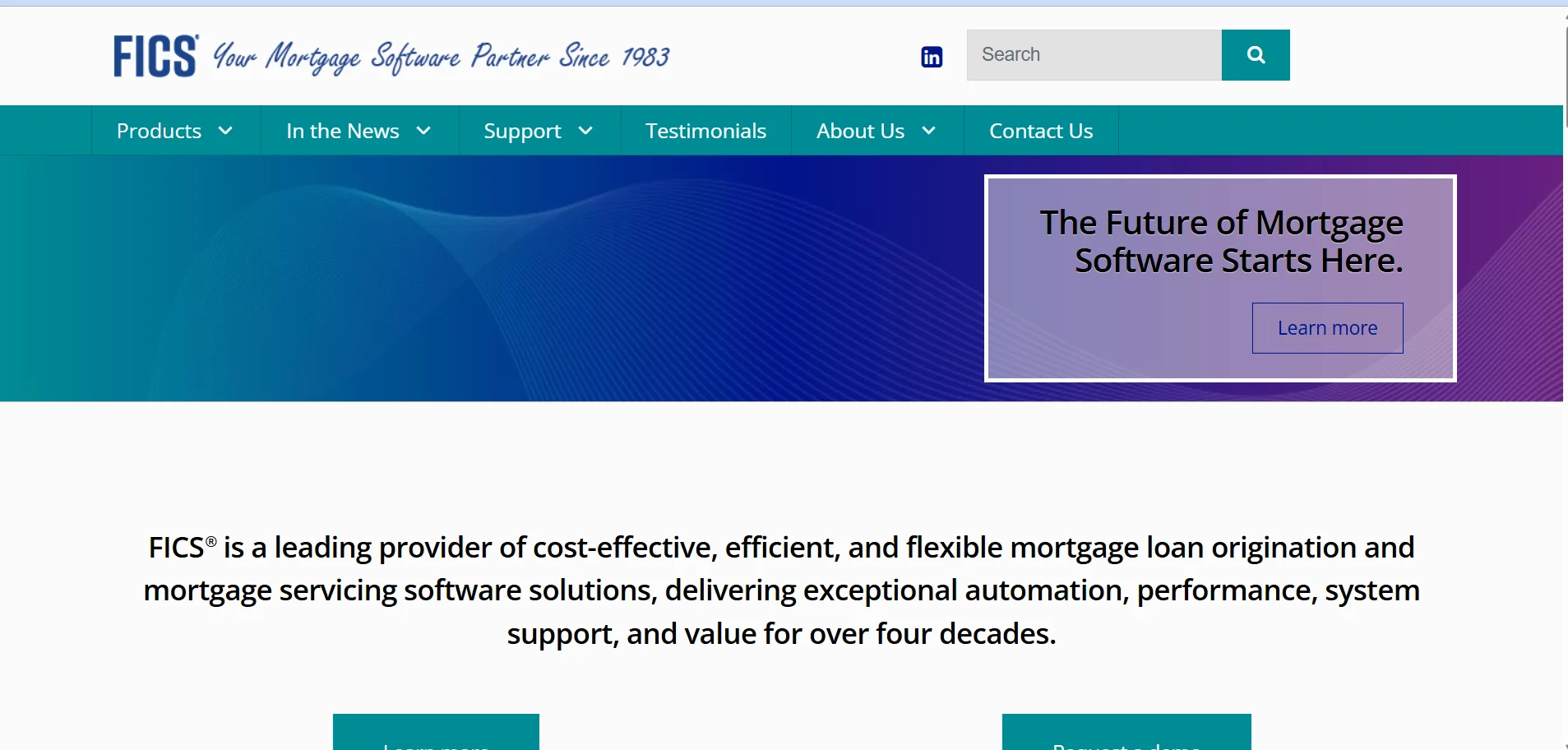
FICS develops mortgage servicing and origination software for financial institutions that specialize in residential mortgage portfolios. Their flagship servicing product, Mortgage Servicer, handles mortgage-specific payment processing, escrow administration, investor accounting, and default management for banks and credit unions with residential loan books.
1. Best For: Banks and credit unions managing large residential mortgage portfolios that require mortgage-specific servicing with investor reporting and compliance functions tied to secondary market requirements.
2. What to Note: FICS is mortgage-specific. Financial institutions that service commercial loans, equipment loans, personal loans, or other non-mortgage products need a platform built for multi-product loan management.
6. Finastra:

Finastra is a global financial software company with products across retail banking, commercial banking, capital markets, and lending. Its lending products, including Fusion LaserPro and Fusion Mortgagebot, serve banks and credit unions across various asset sizes.
The platform covers both origination and servicing for specific loan products and includes core banking integration. Full deployment typically involves significant configuration work and vendor-led implementation.
1. Best For: Mid-size to large banks and credit unions that need an enterprise-grade lending suite tightly integrated with a core banking system.
2. What to Note: Finastra carries enterprise-grade implementation complexity and timelines. Smaller lenders, private lending firms, or organizations without a dedicated IT implementation team often find the cost structure and configuration requirements disproportionate to their operational scale.
Frequently Asked Questions:
Q1: What is loan servicing software?
Loan servicing software is a platform that manages the post-origination lifecycle of a loan. It covers payment collection and allocation, amortization scheduling, delinquency tracking, escrow administration, borrower communication, and portfolio reporting. Servicers use it to manage active loan portfolios from the first payment through final payoff.
Q2: What features should financial institutions look for in loan servicing software?
Financial institutions should prioritize accurate payment scheduling and allocation, delinquency tracking with late fee calculation, borrower communication tools such as automated notices and self-service portals, real-time portfolio reporting, escrow management, and audit-ready documentation. Infrastructure reliability, data security, vendor support quality, and the availability of an API for integrations also factor heavily into long-term operational value.
Q3: How is loan servicing software different from loan origination software?
Loan origination software (LOS) manages the process of evaluating, underwriting, and approving a loan before funding. Loan servicing software handles everything that happens after the loan funds, including payment management, balance tracking, and borrower communication. Many institutions use separate systems for each function, with the servicing platform picking up where the LOS leaves off.
Q4: Can loan servicing software integrate with existing banking systems?
Most modern loan servicing platforms offer API access or direct integrations with core banking systems, accounting software, and payment processors. Integration depth varies by platform. Institutions should confirm API documentation quality, available endpoints, and what configuration work is needed before selecting a platform. Asking vendors for a sandbox or a sample integration guide during evaluation helps surface limitations early.
Q5: Is loan servicing software suitable for both banks and credit unions?
Yes. Loan servicing software serves banks, credit unions, community development financial institutions, private lenders, and municipal programs. The right fit depends on the loan types in the portfolio, the scale of operations, and whether the institution needs regulatory reporting tied to mortgage or consumer lending compliance requirements. Platforms differ substantially in their support for specific loan product types, so institutions with mixed portfolios should confirm multi-product coverage before purchasing.
Final Thoughts:
The right loan servicing software depends on what an institution actually services, how many loan types it manages, and how much operational control it needs between funding and payoff.
Enterprise banking platforms like nCino and Finastra work well for large institutions that need deep origination workflows and core banking integration. Mortgage-specific tools like Encompass and FICS fit institutions whose entire portfolio consists of residential mortgage products. Risk and compliance platforms like Abrigo serve community banks that prioritize credit analysis and regulatory provisioning above all else.
For financial institutions that service multiple loan types, including commercial, private, equipment, or consumer loans, and want a platform built specifically for post-origination operations, purpose-built post-origination tools like Bryt warrant a close look.
Institutions managing diverse portfolios where payment accuracy, delinquency visibility, and borrower communication drive day-to-day operations consistently find the most value in platforms designed from the ground up for exactly that workflow.