

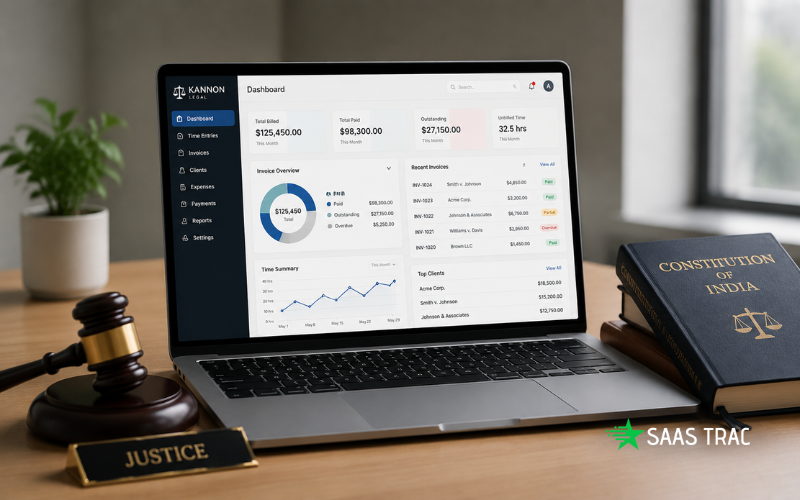
Law firms today handle more complex billing than ever before. Multiple clients, different fee structures, and detailed time tracking all add to the workload. Relying on manual processes or outdated systems can slow everything down.
Errors in billing, delayed invoices, and limited visibility can affect both revenue and client relationships. These issues often build over time and create inefficiencies. As firms grow, managing billing accurately becomes even more important. Modern tools offer a more structured way to handle these challenges. They improve accuracy, streamline workflows, and help firms stay organized. Investing in the right system supports long-term growth and financial stability.
Here are the key reasons why modern legal billing software is essential for law firm growth.
What Is Legal Billing Software?
Legal billing software helps law firms manage time tracking, invoicing, and payments in one system. It simplifies billing tasks that would otherwise require multiple tools or manual work.
These platforms often include features such as automated invoice generation, expense tracking, and secure payment processing. They allow firms to keep financial records organized and easy to access.
Unlike general accounting tools, this software is designed for legal workflows. It supports hourly billing, flat fees, and other billing structures used in legal practice.
Challenges with Traditional Billing Methods
Traditional billing methods depend heavily on manual entry and disconnected systems. This increases the chances of errors and missed billable hours.
Invoices are often delayed due to slow processes. This can impact cash flow and require additional follow-ups with clients. Lack of clarity may also lead to disputes or confusion.
Administrative work takes up valuable time. Legal professionals may spend hours managing billing instead of focusing on client cases. Over time, this reduces productivity and slows growth.
How Modern Billing Software Improves Efficiency
Modern solutions streamline billing from start to finish. They consolidate multiple processes into a single system and reduce the need for repetitive tasks. This helps teams work faster and with greater accuracy.
A closer look at legal billing software shows how automation improves time tracking, invoice creation, and payment collection. Features such as real-time tracking and digital invoicing reduce delays and improve consistency. Clients can also benefit from flexible payment options, which make transactions easier and faster.
A platform like Caret Legal combines billing, payments, and financial tracking into a single solution. It supports electronic payments, trust accounting, and detailed reporting. This structure helps law firms manage finances more efficiently while maintaining organized and transparent records.
Improved Accuracy and Transparency
Automation plays a key role in improving billing accuracy. Time entries are captured more precisely, and calculations are handled without manual input. This reduces the likelihood of errors that can affect billing totals.
Detailed invoices provide clear information about services and charges. Clients can easily review line items, improving transparency and reducing confusion. This clarity helps build stronger client relationships over time.
Accurate billing records also support compliance and consistency. Firms can maintain proper documentation and ensure that financial data is reliable. This becomes especially important during audits or financial reviews. Consistency in billing practices creates a more professional experience. Clients are more likely to trust firms that provide clear and accurate financial information.
Faster Payments and Better Cash Flow
Delayed invoices often lead to delayed payments. Modern billing systems allow firms to generate and send invoices quickly, reducing waiting time. This helps clients receive billing details sooner and respond without unnecessary delays. It also keeps the payment cycle consistent, making revenue more predictable for the firm.
Integrated payment options make it easier for clients to pay. Online payment methods, including credit cards and digital transfers, remove barriers and speed up the process.
Faster payments improve cash flow and help firms manage expenses more effectively. This allows better planning and reduces financial stress. A steady cash flow also supports growth. Firms can invest in resources, hire staff, and expand operations without worrying about delayed revenue.
Better Financial Insights and Decision-Making
Access to real-time financial data gives firms better control over their operations. Reports and dashboards provide insights into revenue, expenses, and outstanding balances.
These insights help identify patterns and trends. Firms can see which services generate the most revenue and where improvements are needed. They also help track outstanding invoices and monitor payment timelines more effectively. This level of visibility supports better financial planning and helps firms stay on top of their cash flow.
Better visibility allows for more informed decisions. It supports strategic planning and helps firms adjust their approach as they grow. Clear financial data also improves accountability. Teams can track performance and ensure goals are consistently met.
Conclusion
Modern billing systems play a key role in improving efficiency and supporting growth. They reduce errors, streamline processes, and provide better financial visibility. Law firms that adopt these tools can manage operations more effectively. With improved accuracy and faster workflows, they are better positioned for long-term success. They also enhance client satisfaction by making billing clearer and more convenient.